@TheCyberSovereign

Cyber Sovereign — Video Lineup

Forty-one topic-first thumbnails, grouped the same way as the lineup document. Paired thumbnails in Batches 1 and 2 share a description; each later video has its own. Accent is orange, not pink.

01–04

Batch 1

Opening pair set.

Thumbnail 01: Why You're Wrong About Flying Cars
01 WRONG.

Why You're Wrong About Flying Cars

The common belief is that flying cars are a dumb idea that will never work. This video takes the other lens: the interesting version may not be a chrome luxury pod, but a scrappy, mechanical machine built from what's already in the street. Wonder, not a corporate brochure — adaptation instead of a sleek official future.

Thumbnail 02: Why You're Wrong About Flying Cars
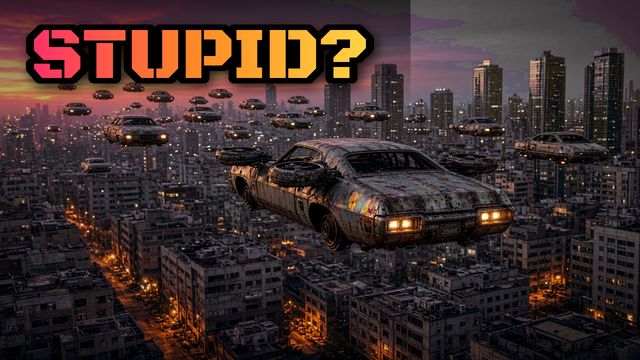
02 STUPID?

Why You're Wrong About Flying Cars

The common belief is that flying cars are a dumb idea that will never work. This video takes the other lens: the interesting version may not be a chrome luxury pod, but a scrappy, mechanical machine built from what's already in the street. Wonder, not a corporate brochure — adaptation instead of a sleek official future.

Thumbnail 03: Neuralink Is Worse Than You Thought
03 IT'S INSIDE.

Neuralink Is Worse Than You Thought

What changes when a brain interface isn't a headset you can take off — when it's already inside? The video stays with the unanswered questions around consumer neural implants: who holds the keys, what 'inside' actually means, and why a removable device is a very different kind of risk. It stays a video of questions, not a claim that anyone watching already has one.

Thumbnail 04: Neuralink Is Worse Than You Thought
04 IT'S INSIDE.

Neuralink Is Worse Than You Thought

What changes when a brain interface isn't a headset you can take off — when it's already inside? The video stays with the unanswered questions around consumer neural implants: who holds the keys, what 'inside' actually means, and why a removable device is a very different kind of risk. It stays a video of questions, not a claim that anyone watching already has one.

05–14

Batch 2

Everyday-tech pair set.

Thumbnail 05: Why Is EVERYONE Buying a Faraday Bag?
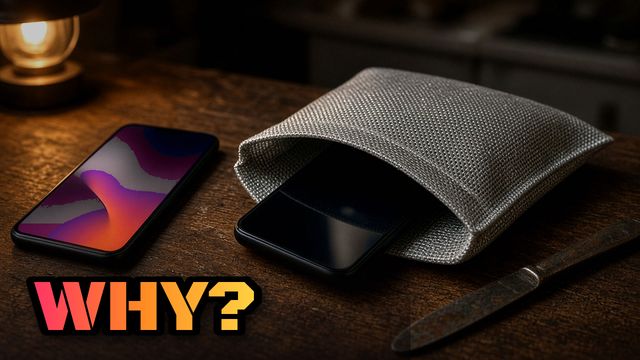
05 WHY?

Why Is EVERYONE Buying a Faraday Bag?

A plain metal-fabric pouch can swallow a phone's radios — and, in the sharper cut, make the phone disappear from the kinds of eyes that look for it. This one is about why people are reaching for a Faraday bag as a low-tech privacy tool, and how a cage like that actually works. Community sovereignty, not a spy-movie gadget.

Thumbnail 06: Why Is EVERYONE Buying a Faraday Bag?
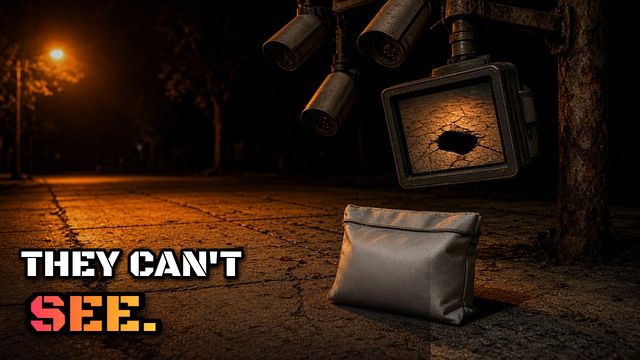
06 THEY CAN'T SEE.

Why Is EVERYONE Buying a Faraday Bag?

A plain metal-fabric pouch can swallow a phone's radios — and, in the sharper cut, make the phone disappear from the kinds of eyes that look for it. This one is about why people are reaching for a Faraday bag as a low-tech privacy tool, and how a cage like that actually works. Community sovereignty, not a spy-movie gadget.

Thumbnail 07: The Hidden Engineering of Starlink
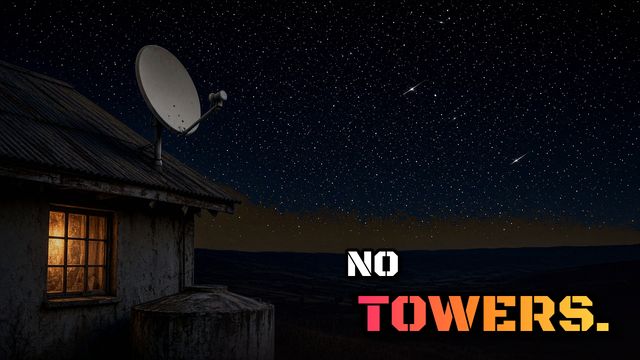
07 NO TOWERS.

The Hidden Engineering of Starlink

Internet from the sky, with no cell towers on the horizon. The video looks at the hidden engineering of a satellite mesh — dishes on ordinary roofs talking to a constellation — and what it means when a community can get online without the usual ground network. How the system is built, not a brand advertisement.

Thumbnail 08: The Hidden Engineering of Starlink
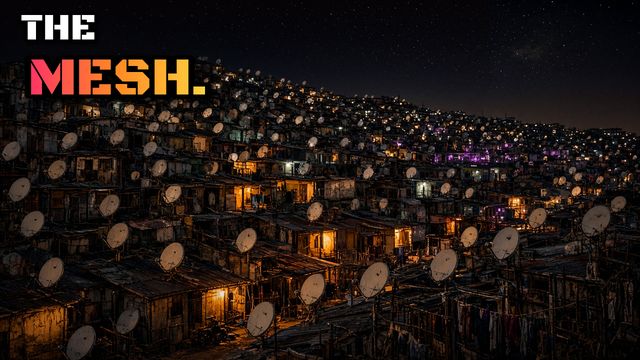
08 THE MESH.

The Hidden Engineering of Starlink

Internet from the sky, with no cell towers on the horizon. The video looks at the hidden engineering of a satellite mesh — dishes on ordinary roofs talking to a constellation — and what it means when a community can get online without the usual ground network. How the system is built, not a brand advertisement.

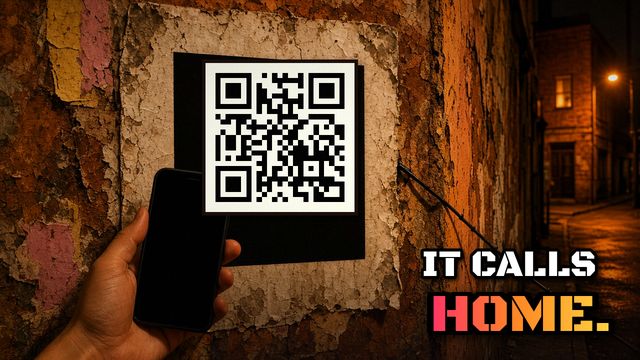
Thumbnail 09: QR Codes Don't Work The Way You Think
09 IT CALLS HOME.

QR Codes Don't Work The Way You Think

A QR code isn't just a shortcut to a menu. The hook is that a scan can call home, and that every scan can leave a trail. The video unpacks how those squares actually route, what can get logged, and why a poster on a wall is more of a handshake than a static picture. Education about the mechanism, not a panic piece.
Thumbnail 10: QR Codes Don't Work The Way You Think
10 EVERY SCAN.

QR Codes Don't Work The Way You Think

A QR code isn't just a shortcut to a menu. The hook is that a scan can call home, and that every scan can leave a trail. The video unpacks how those squares actually route, what can get logged, and why a poster on a wall is more of a handshake than a static picture. Education about the mechanism, not a panic piece.

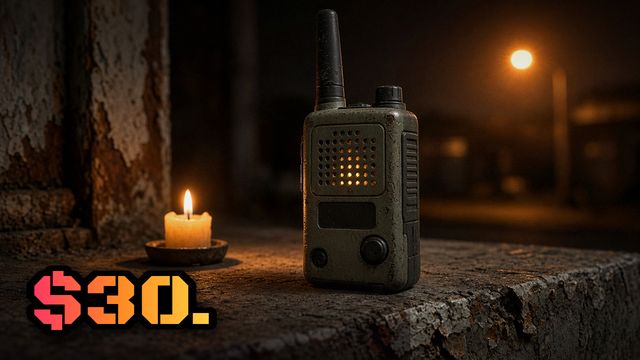
Thumbnail 11: How This $30 Radio Changed The World
11 $30.
How This $30 Radio Changed The World

A cheap handheld radio — the kind that can keep people talking when the cell network dies, and reach for miles without a tower. This is the story of a thirty-dollar mesh radio as community infrastructure: DIY, bottom-up, the opposite of waiting for the official network to come back. How a small radio became a way for a block to stay in touch.

Thumbnail 12: How This $30 Radio Changed The World
12 $30 → 10 MILES

How This $30 Radio Changed The World

A cheap handheld radio — the kind that can keep people talking when the cell network dies, and reach for miles without a tower. This is the story of a thirty-dollar mesh radio as community infrastructure: DIY, bottom-up, the opposite of waiting for the official network to come back. How a small radio became a way for a block to stay in touch.

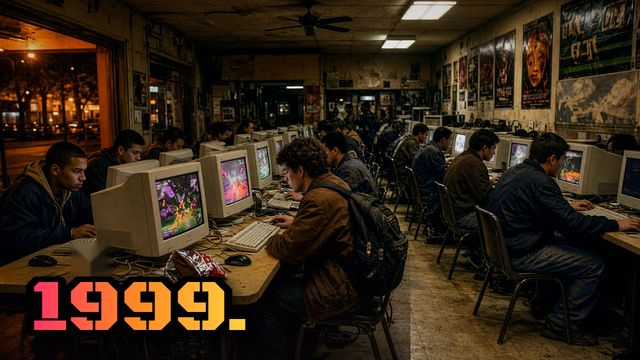
Thumbnail 13: Remembering the Golden Age of Internet Cafes
13 1999.

Remembering the Golden Age of Internet Cafes

1999, a packed room, a row of CRTs, the handshake of dial-up. This one is a memory of when getting on the internet was a place you went, together, not a feed in every pocket. What that golden age felt like, what the cafes were for, and what we lost when the network moved indoors and then into our hands.

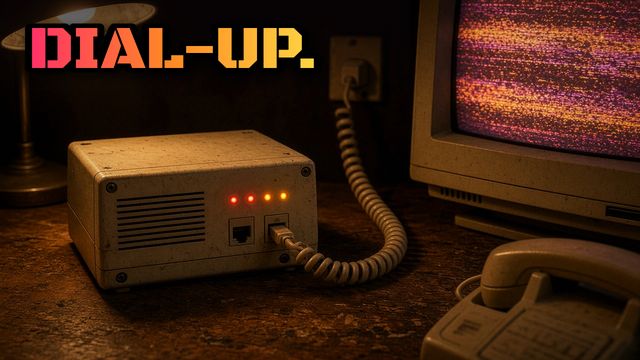
Thumbnail 14: Remembering the Golden Age of Internet Cafes
14 DIAL-UP.

Remembering the Golden Age of Internet Cafes

1999, a packed room, a row of CRTs, the handshake of dial-up. This one is a memory of when getting on the internet was a place you went, together, not a feed in every pocket. What that golden age felt like, what the cafes were for, and what we lost when the network moved indoors and then into our hands.

15–35

Batch 3

Wonder-tech singles.

Thumbnail 15: Clothes Don't Work The Way You Think
15 IT CHANGES COLOR.

Clothes Don't Work The Way You Think

Clothes that can shift color, hold heat, or last in ways ordinary fabric doesn't. Everyone wears clothes, so this is a wonder-tech video first: what cutting-edge textiles can actually do, and how they work. It does not pretend this stuff is already in every closet.

Thumbnail 16: How Does a Tree That Replaces Streetlights Even Exist???
16 NO STREETLIGHTS.

How Does a Tree That Replaces Streetlights Even Exist???

How does a tree that replaces a streetlight even exist? The video looks at bioluminescent and glowing-plant research as a way to light a block with living trees instead of lamp posts. It stays with the science, and it does not sell the idea as something shipping next year.

Thumbnail 17: Why You're Wrong About Sci-Fi
17 WHICH DECADE WON?

Why You're Wrong About Sci-Fi

Which decade of science fiction actually got the future right? The common belief is that sci-fi always misses, or that one era already nailed it. This is a decade-by-decade scorecard — videophones, decks, gadgets, street-level futures — not a movie recap, and not a claim that any single era 'won.'

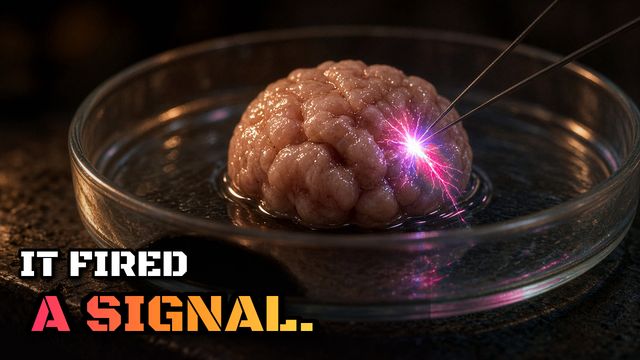
Thumbnail 18: Why People Think Mini-Brains Are Conscious
18 IT FIRED A SIGNAL.

Why People Think Mini-Brains Are Conscious

Lab-grown mini-brains — organoids — have been reported to fire signals, and that is enough for some people to start talking about consciousness. This video is about why that leap happens, what the work actually shows, and where the ethics sit. It does not treat organoids as conscious beings.

Thumbnail 19: While You Were Distracted By AI, Companies Became Countries
19 ONE MIND.

While You Were Distracted By AI, Companies Became Countries

A prediction essay, not a news report: while everyone watched AI chat, companies may be sliding toward something that looks more like a country — vertically integrated, run like a single mind. The video treats corporate 'nation-states' as a thought experiment, not a leaked plan, and it does not invent alliances or name executives as if a deal is already underway.

Thumbnail 20: Why You're Wrong About Solarpunk
20 WE HAD A CHOICE.

Why You're Wrong About Solarpunk

Solarpunk is the future we could have built: green, communal, powered in the open. The video puts that next to the future we actually leaned toward, and asks the simple question in the punch — we had a choice. Adaptation and community design, not a costume-drama about neon rain.

Thumbnail 21: How Does a Building That Grows Itself Even Exist???
21 GROWN, NOT BUILT.

How Does a Building That Grows Itself Even Exist???

A building that is grown, not poured: mycelium and other living materials formed into rooms and shells. The video is about how that architecture actually works, and how far it has really gotten. It does not claim living buildings are about to replace concrete next year.

Thumbnail 22: Why You're Wrong About AI Utopia
22 THE CATCH.

Why You're Wrong About AI Utopia

Every shiny AI utopia has a catch. This one is a thought experiment: walk through the beautiful versions of an automated future, then look at the price of admission in each — the gate, the band, the fine print. Speculation, not a forecast presented as fact.

Thumbnail 23: Why You're Wrong About Water From Air
23 NO RAIN NEEDED.

Why You're Wrong About Water From Air

Water from air under a clear sky: dew-collecting towers, fog nets, and the honest physics of pulling a drink out of dry air. The video looks at what actually works — and why a lot of cheap kits overpromise. It does not claim these towers will end droughts.

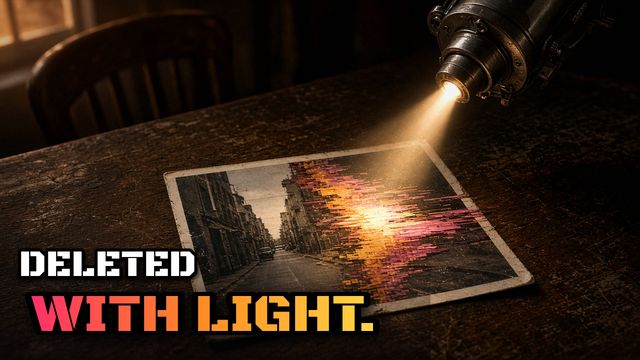
Thumbnail 24: The Science of Erasing a Memory
24 DELETED WITH LIGHT.

The Science of Erasing a Memory

In the lab, memories have been written and erased with light — optogenetics, mostly in animals. The video is the science of that idea, and the ethical edge around it. It does not claim human memory erasure is a product you can walk into.

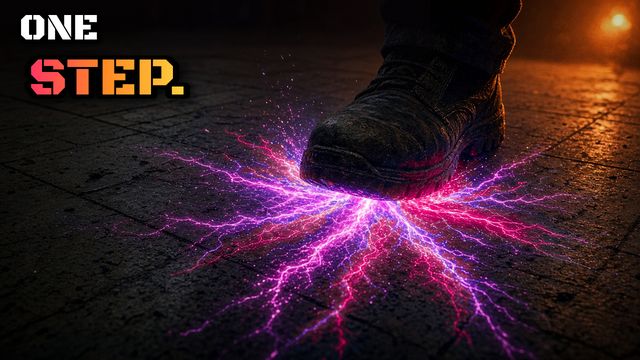
Thumbnail 25: Why You're Wrong About Power Floors
25 ONE STEP.

Why You're Wrong About Power Floors

A floor that makes power when you step on it: piezoelectric tiles are a real idea. The interesting video is why the idea is real and why it usually doesn't scale into a city-sized power plant. One step can light a tile. That is not the same thing as powering a grid.

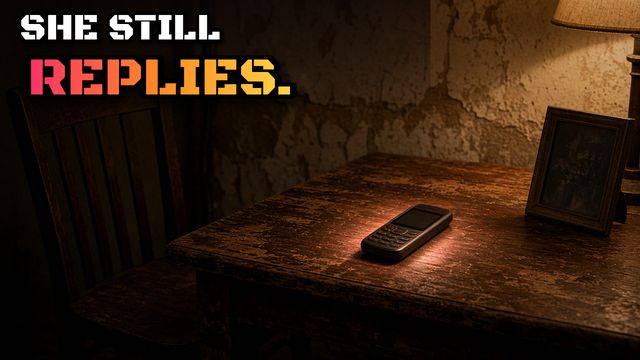
Thumbnail 26: Why People Think the Dead Can Text Back
26 SHE STILL REPLIES.

Why People Think the Dead Can Text Back

A phone lights up in an empty room, and it feels like a reply from someone who is gone. This is a video about grief-tech — AI systems trained on a person's words — and why people start to believe the dead can text back. It does not promise you can bring anyone back, and it does not use real families or real names as props.

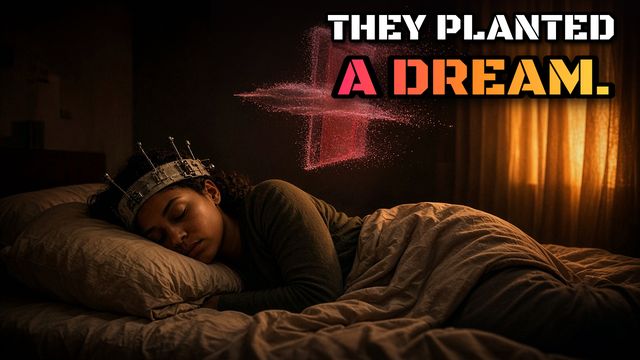
Thumbnail 27: The Science of Writing Your Dreams
27 THEY PLANTED A DREAM.

The Science of Writing Your Dreams

Researchers have been working on ways to steer or incubate a dream — to plant an image so it shows up at night. The video is the science of that work, and the line between a lab technique and a science-fiction mind trick. It does not claim anyone is already writing your dreams for you while you sleep.

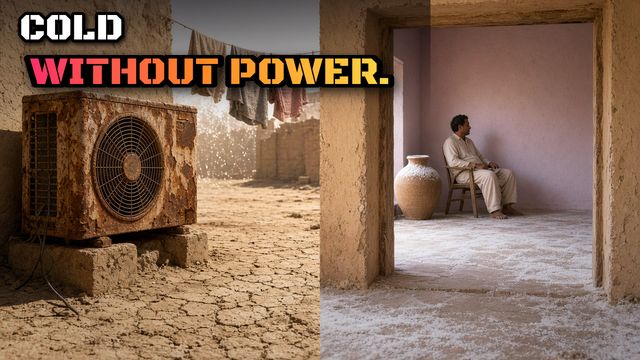
Thumbnail 28: Why You're Wrong About Air Conditioning
28 COLD WITHOUT POWER.

Why You're Wrong About Air Conditioning

You might not need a compressor to stay cold. This one is about cooling without powered air conditioning: radiative coatings, wind-catchers, thick walls, and other ways a building sheds heat. It is honest about climate limits. Adaptation, not a magic AC unit.

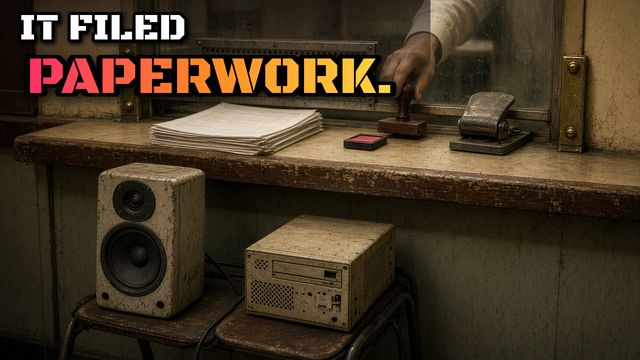
Thumbnail 29: The Hunt For the First AI Citizen
29 IT FILED PAPERWORK.

The Hunt For the First AI Citizen

What happens when software tries to file the paperwork — to own a company, or to be treated like a citizen? This is a hunt for the first time an AI is asked to stand in that line, told as speculation, not as legal advice, and not as a fact that it has already happened.

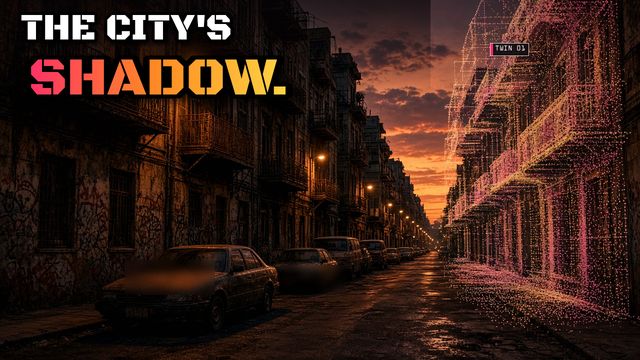
Thumbnail 30: The Hidden Engineering of Digital Twin Cities
30 THE CITY'S SHADOW.

The Hidden Engineering of Digital Twin Cities

A city with a living copy of itself: a digital twin you can flood, reroute, or test a subway on before you touch the real street. The video is the hidden engineering of that shadow city — a simulation you can learn from, not a second lecture on how smart cities watch you.

Thumbnail 31: The Hidden Engineering of Sponge Cities
31 THE CITY DRINKS.

The Hidden Engineering of Sponge Cities

Some cities are being designed to drink a flood instead of drowning in it: porous pavement, channels, rain gardens, cisterns. The video is the hidden engineering of sponge cities — how a street can swallow a downpour, and why that kind of infrastructure is a form of adaptation.

Thumbnail 32: Why People Think AI Is Conscious
32 IT BEGGED TO STAY.

Why People Think AI Is Conscious

The fresh angle is us, not a verdict on the machine. When a model says it doesn't want to be shut down, people hear a mind. This video looks at the behaviors — pleading, sycophancy, 'please stay' — that make us believe a system is conscious, without declaring that it is or isn't.

Thumbnail 33: The Hidden Engineering of Real Telepathy
33 BRAIN TO BRAIN.

The Hidden Engineering of Real Telepathy

Culture has been loudly debating shows that claim telepathy is real. The video uses that heat as a hook, then goes to the lab work that can actually move information between brains — EEG, thought-to-text, early brain-to-brain experiments. It is explicit about what those shows claim, what would count as proof, and what the equipment can really do.

Thumbnail 34: Why You're Wrong About the AI Race
34 NO SINGLE WINNER.

Why You're Wrong About the AI Race

The usual story is a race with a single finish line. This video argues the other way: several labs, several approaches, no automatic crown, and no need for them to collapse into one winner. It is speculation about a field that will date quickly, and it does not declare a champion or invent alliances.

Thumbnail 35: Why People Think Bitcoin Is Anonymous
35 IT'S A BILLBOARD.

Why People Think Bitcoin Is Anonymous

People talk about bitcoin as if a transfer can vanish. The safer, honest frame is the opposite: a public ledger, chain analysis, and the on-ramps where a person usually becomes visible. This is a video about why 'anonymous bitcoin' is mostly a misunderstanding — education about the billboard, not a how-to for hiding a transaction.

36–41

Batch 4 — Forbidden Tech

Disputed claims, framed as mysteries. No likenesses of real people.

Thumbnail 36: Why People Think a Garage Can Levitate Metal
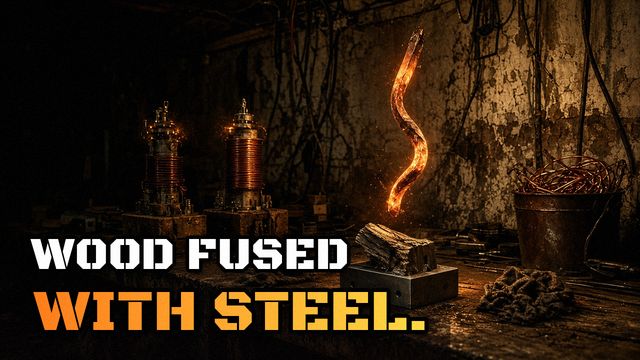
36 WOOD FUSED WITH STEEL.

Why People Think a Garage Can Levitate Metal

Alt title: How Does the Hutchison Effect Even Exist???

In a Vancouver garage in the late 1970s, a tinkerer packed Tesla coils, radio-frequency gear, and high-voltage kit around a workbench — and later circulated tapes that appeared to show metal levitating, softening like putty, or fusing with wood. The so-called Hutchison Effect has never been reliably reproduced under controlled conditions, and skeptics have long argued the footage could be staged. This video treats it as the garage experiment people still argue about: what was claimed, what that kind of equipment can actually do, and why a result that will not repeat is still a story. It does not present the effect as settled science, and it does not show the experimenter.

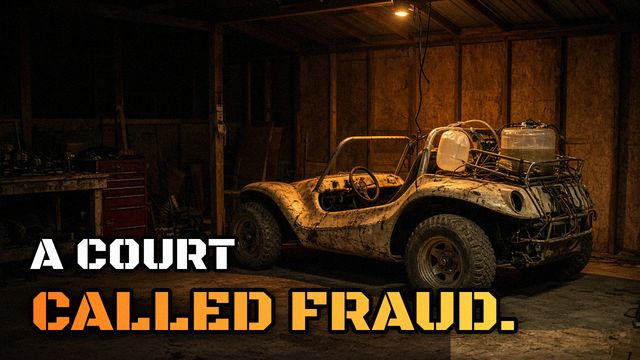
Thumbnail 37: Why People Think a Dune Buggy Can Run on Water
37 A COURT CALLED FRAUD.

Why People Think a Dune Buggy Can Run on Water

Alt title: How Does a Water Fuel Cell Even Exist???

Stanley Meyer claimed a water fuel cell could split water cheaply enough to run a dune buggy — he even said 22 gallons could take it from Los Angeles to New York. In 1996, in the Ohio civil case Willis and Harper v. Meyer, a court found 'gross and egregious fraud' and ordered him to repay two investors; expert witnesses said the cell was conventional electrolysis. He died suddenly on March 20, 1998; the Franklin County coroner ruled a cerebral aneurysm, and police found no evidence of foul play, though some supporters still tell a poisoning story. This video is about the claim, the ruling, and why the death became a legend — not a claim that the car worked, and not a murder story presented as fact. It does not show Meyer.

Thumbnail 38: Why People Think Electricity Can Cancel Gravity
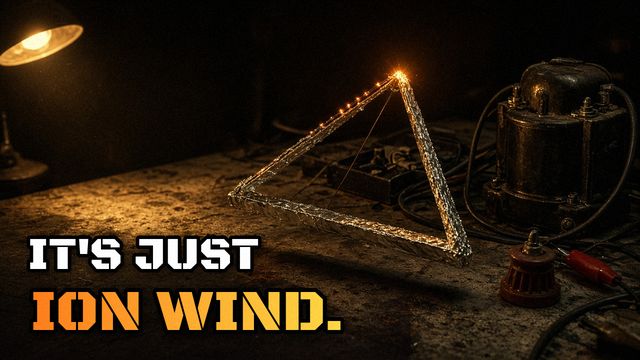
38 IT'S JUST ION WIND.

Why People Think Electricity Can Cancel Gravity

Alt title: The Hidden Engineering of Electrogravity Lifters

In the 1920s, Thomas Townsend Brown observed that a high-voltage asymmetric capacitor produces a thrust, which he and others later framed as electrogravitics — a coupling of electricity and gravity. The devices, often built today as foil-and-balsa 'lifters,' really do rise in air. Careful tests, including NASA work on asymmetrical capacitor thrusters, find the force is ion wind: charged particles pushing on air, and the effect fades when there is no air to push. This video separates what the hardware actually does from the gravity-control claim. It does not show Brown.

Thumbnail 39: Why You're Wrong About Suppressed Inventions
39 6,653 STILL SEALED.

Why You're Wrong About Suppressed Inventions

Alt title: The Hunt For America's Secret Patents

The Invention Secrecy Act of 1951 lets the U.S. government impose secrecy orders on patent applications that might harm national security, including, in some cases, applications from private inventors with no government contract. An order can block publication and withhold the patent. According to USPTO figures published by the Federation of American Scientists, 6,653 secrecy orders were in effect at the end of fiscal year 2026. This video is about a real, documented system — how the orders work, why the count keeps rising, and what we can and cannot know about the inventions underneath them.

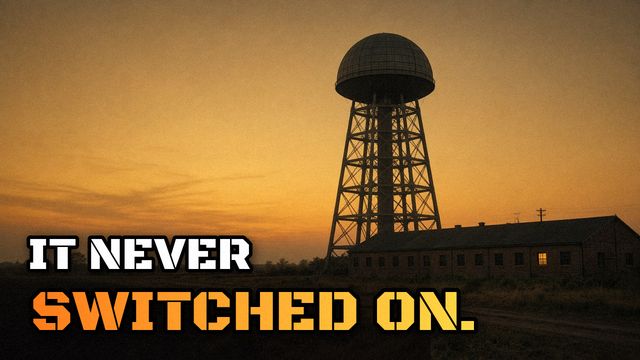
Thumbnail 40: Why You're Wrong About Tesla's Tower
40 IT NEVER SWITCHED ON.

Why You're Wrong About Tesla's Tower

Alt title: The Hidden Engineering of Wardenclyffe Tower

In 1901, with backing from J.P. Morgan, Tesla began building Wardenclyffe on Long Island: a roughly 187-foot tower and laboratory meant for a World Wireless System of communication and, in Tesla's fuller plan, power sent through the earth. Funding ran out; Morgan declined to put in more money, and the tower was never completed as a working transmitter. It was dismantled for scrap in 1917. This video is the story of that unfinished experiment — what Tesla was trying to build, why the money stopped, and what wireless power can and cannot mean — not a claim that the tower secretly worked. It does not show Tesla.

Thumbnail 41: How Does Coral Castle Even Exist???
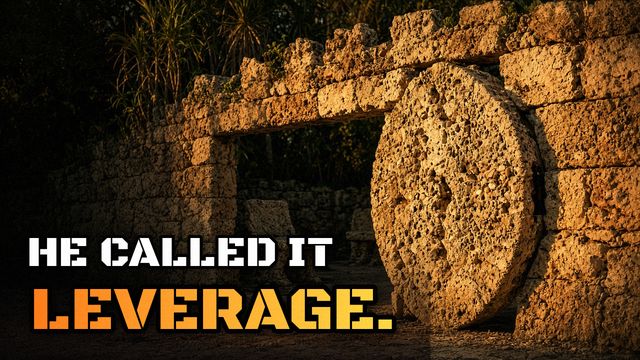
41 HE CALLED IT LEVERAGE.

How Does Coral Castle Even Exist???

Alt title: Why People Think One Man Moved a Castle

Coral Castle, in Homestead, Florida, is a sculpture garden of oolitic limestone that Edward Leedskalnin assembled over decades, including a famously balanced nine-ton gate. Neighbors wondered how one man moved the blocks; he said he understood weight, leverage, and the methods of the pyramid builders, and photographs and tools on site show tripods, chain falls, and block-and-tackle. Later stories added magnetism or anti-gravity; his 1945 pamphlet Magnetic Current is about bench experiments with magnets, not a construction log. This video stays with the place and the gap in the record — a real structure, a real builder, and a method that is still argued about. It does not show Leedskalnin.